 0
0
 0
0
Https://malaka555.sg-host.com/ – Artificial intelligence is now making strides in analyzing facial expressions to predict personality traits. Advanced machine learning models can examine subtle facial cues, microexpressions, and patterns in human behavior to provide insights into a person’s psychological profile.
Researchers explain that AI systems are trained on large datasets containing thousands of images and videos, annotated with personality traits measured using established psychological models, such as the Big Five personality traits. By processing visual and behavioral cues, the AI can assess characteristics such as openness, conscientiousness, extraversion, agreeableness, and emotional stability.
How AI Reads Facial Cues
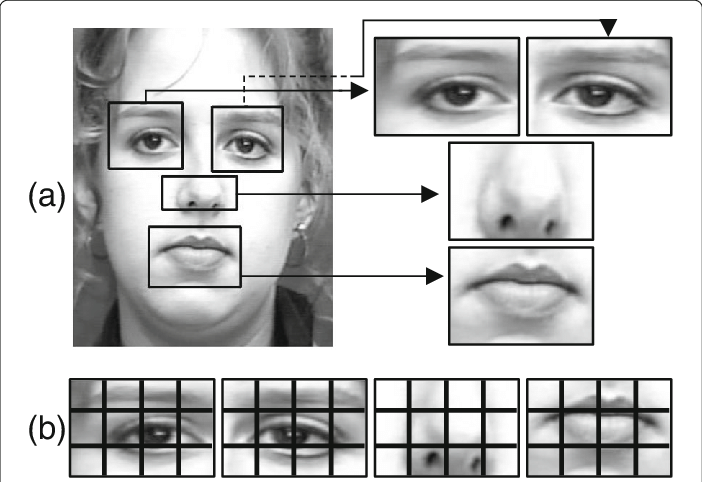
The AI models leverage computer vision and deep learning algorithms to identify key indicators in facial expressions. Some of the techniques include:
-
Detecting microexpressions that indicate underlying emotions
-
Measuring symmetry and movement patterns of facial muscles
-
Analyzing eye movements, smiles, and other subtle gestures
-
Correlating facial patterns with personality profiles based on training data
According to developers, the AI can make predictions with remarkable accuracy, especially when combining facial cues with other behavioral data. The system is designed to learn continuously, improving its predictive power as more diverse datasets are introduced.
Applications and Implications
The ability to predict personality from facial expressions has a wide range of applications across multiple sectors:
-
Human Resources: AI can assist in recruitment by evaluating personality fit for specific roles
-
Marketing and Consumer Behavior: Understanding consumer preferences and emotional responses
-
Education: Personalizing learning approaches based on student personality insights
-
Healthcare and Therapy: Supporting mental health assessments and behavioral analysis
However, experts caution that ethical considerations are paramount. Predicting personality through AI raises concerns about privacy, consent, and potential misuse, especially in areas like surveillance or manipulative marketing. Clear regulations and ethical frameworks are needed to ensure responsible use.
Challenges and Limitations
Despite its potential, AI-based personality prediction faces challenges. Facial expressions can be culturally influenced, and the AI may misinterpret behaviors outside its training datasets. Additionally, temporary emotions or stress can skew predictions, making it crucial to use AI insights as a supplementary tool rather than a definitive assessment.
Researchers emphasize the importance of diverse, representative datasets and ongoing validation to reduce bias. Collaboration between psychologists, ethicists, and AI developers is key to creating systems that are both accurate and socially responsible.
The development of AI capable of predicting personality through facial expressions demonstrates the growing sophistication of human behavior analysis technology. As the field advances, it may redefine approaches to personal assessment, workplace analytics, and even social interactions, while highlighting the need for careful ethical oversight.


